


What is Wastewater Aeration?
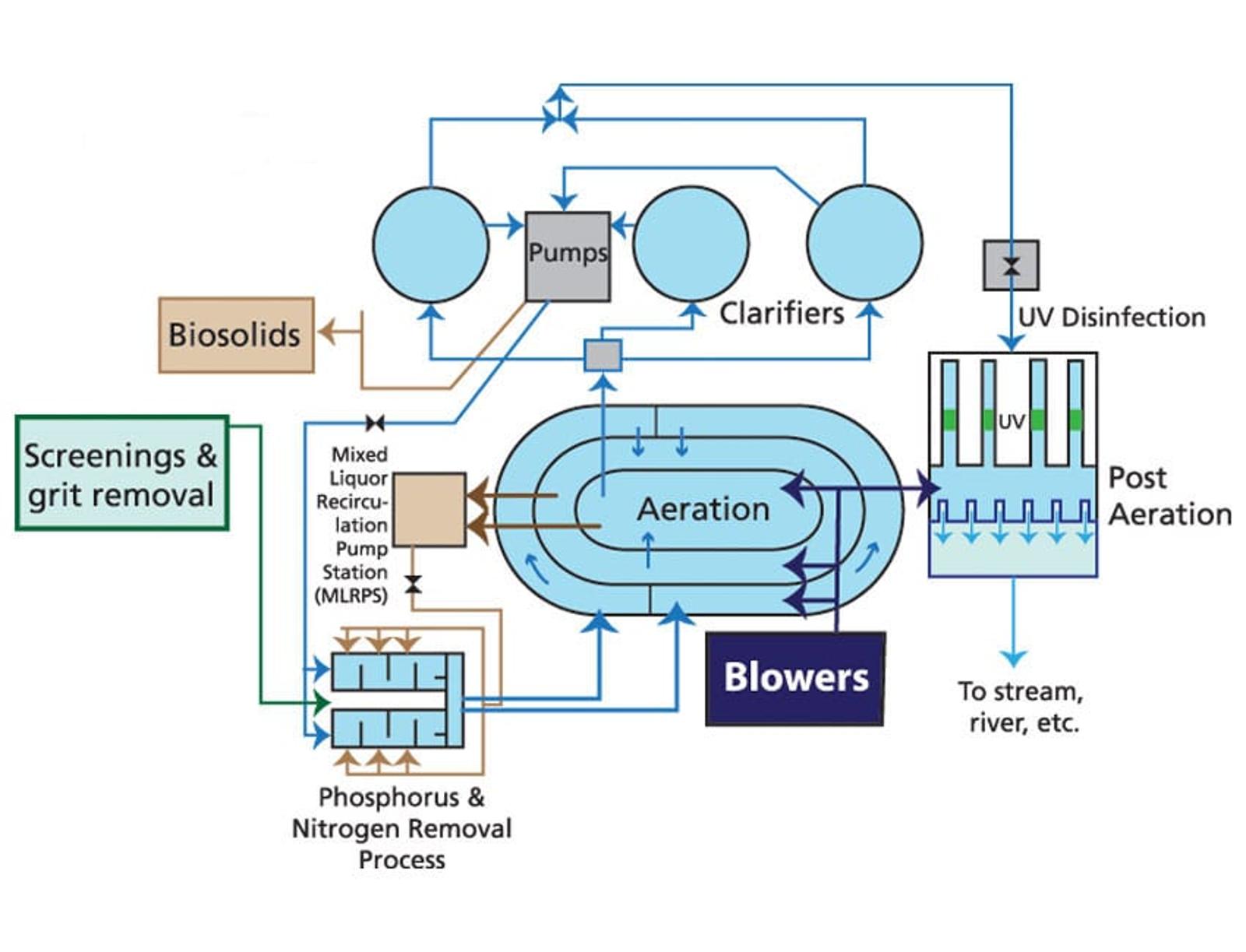
Aeration is an activated sludge process. Activated sludge is a process with a high concentration of microorganisms. Bacteria that are present are kept in suspension by stirring. The intent is to remove this organic matter and bacteria from the wastewater.In this phase, biological processes, like aerobic treatment, decompose organic compounds, and pollutants in the wastewater. Chemical oxidation is used to remove persistent organic pollutants, bacteria, and microbial pathogens.
What is the Result of Wastewater Aeration?
Typically, the secondary phase removes chemicals and toxic compounds. It is not uncommon to repeat this phase several times or apply tertiary treatment to the water.
Why is Aeration Important?
A well-designed aeration system directly impacts the level of wastewater treatment achieved. The key to rapid, economic, safe, and effective wastewater treatment is an aeration system that evenly distributes oxygen supply.
How is Wastewater Aerated?
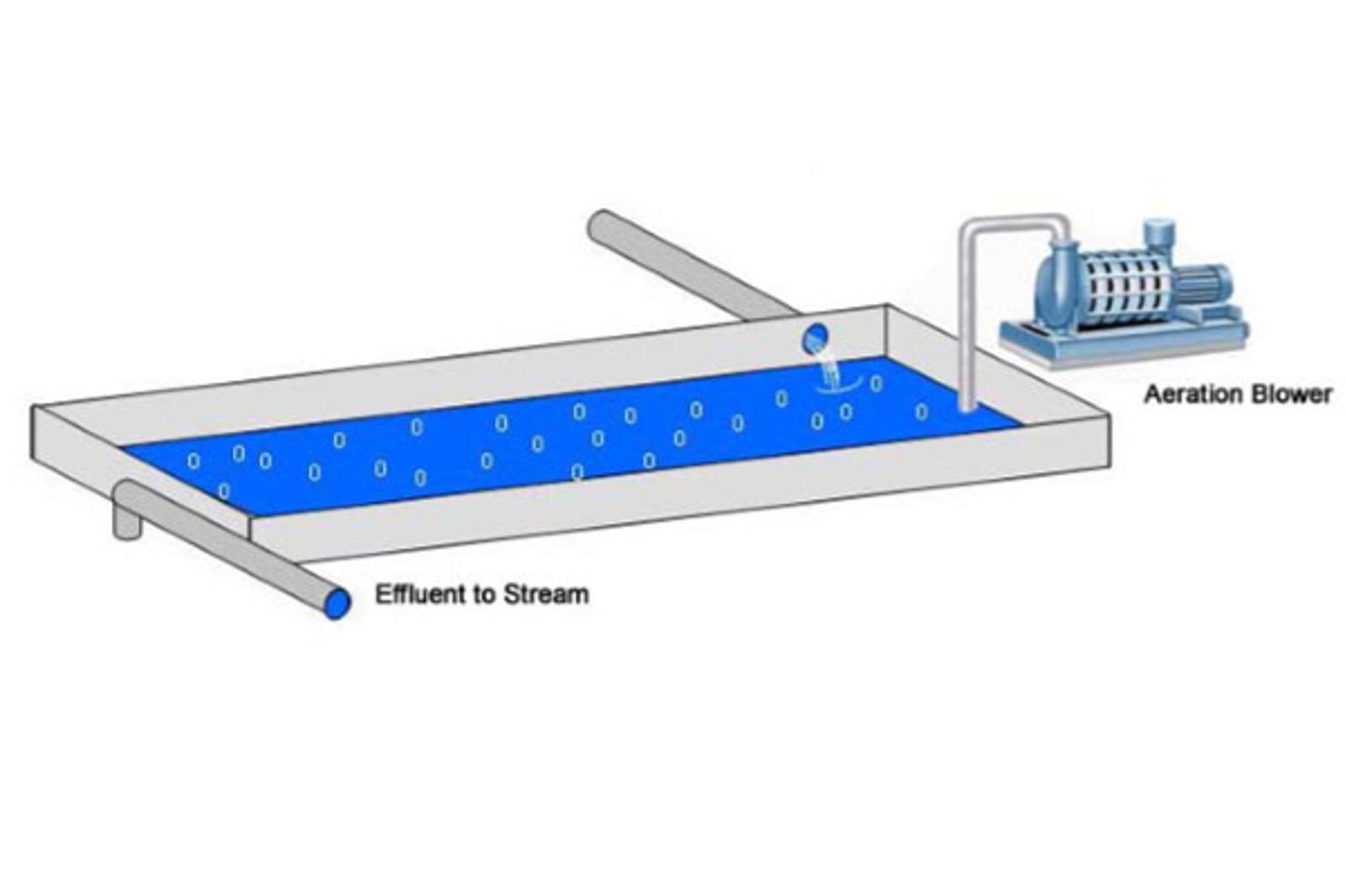
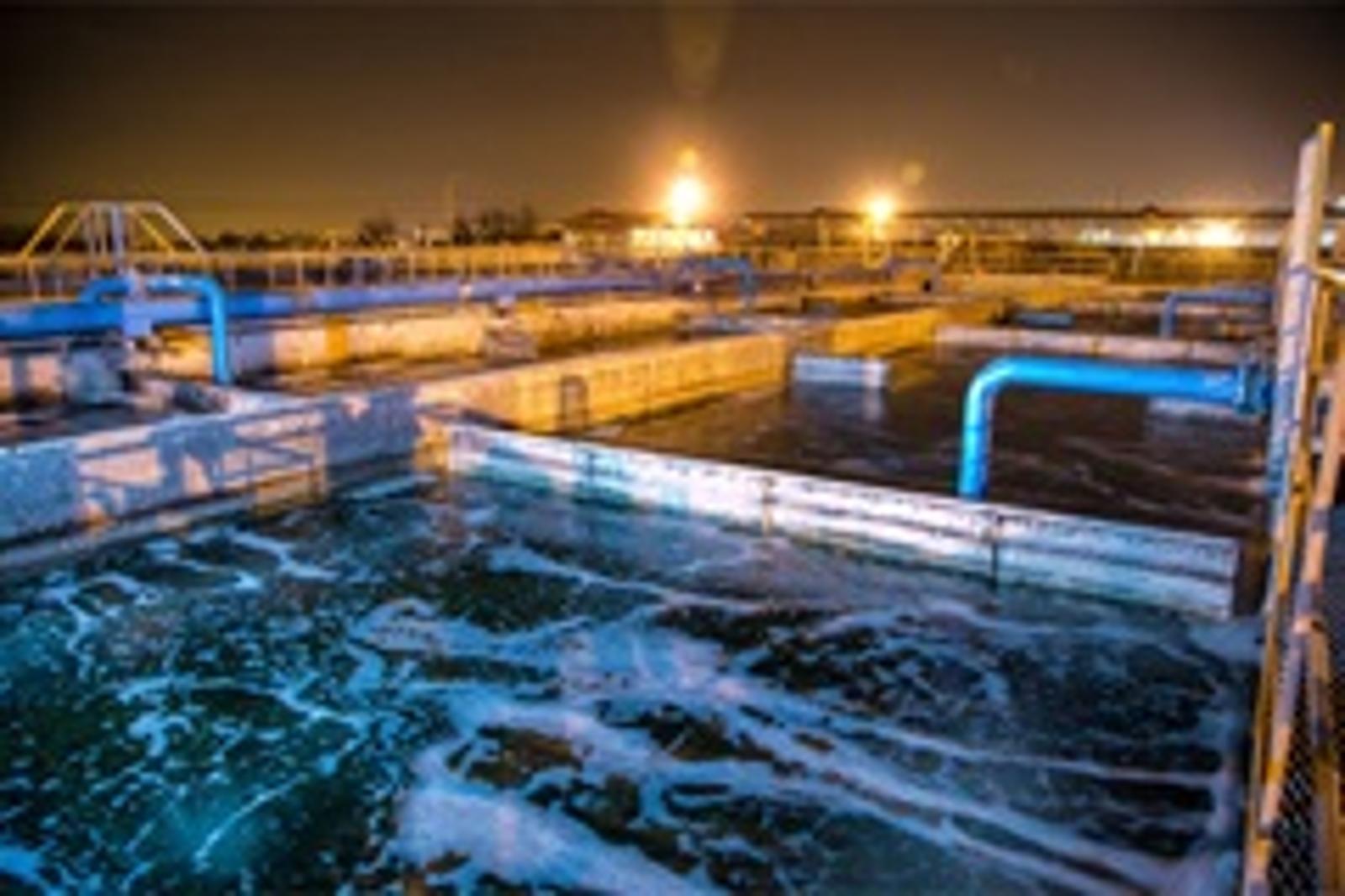
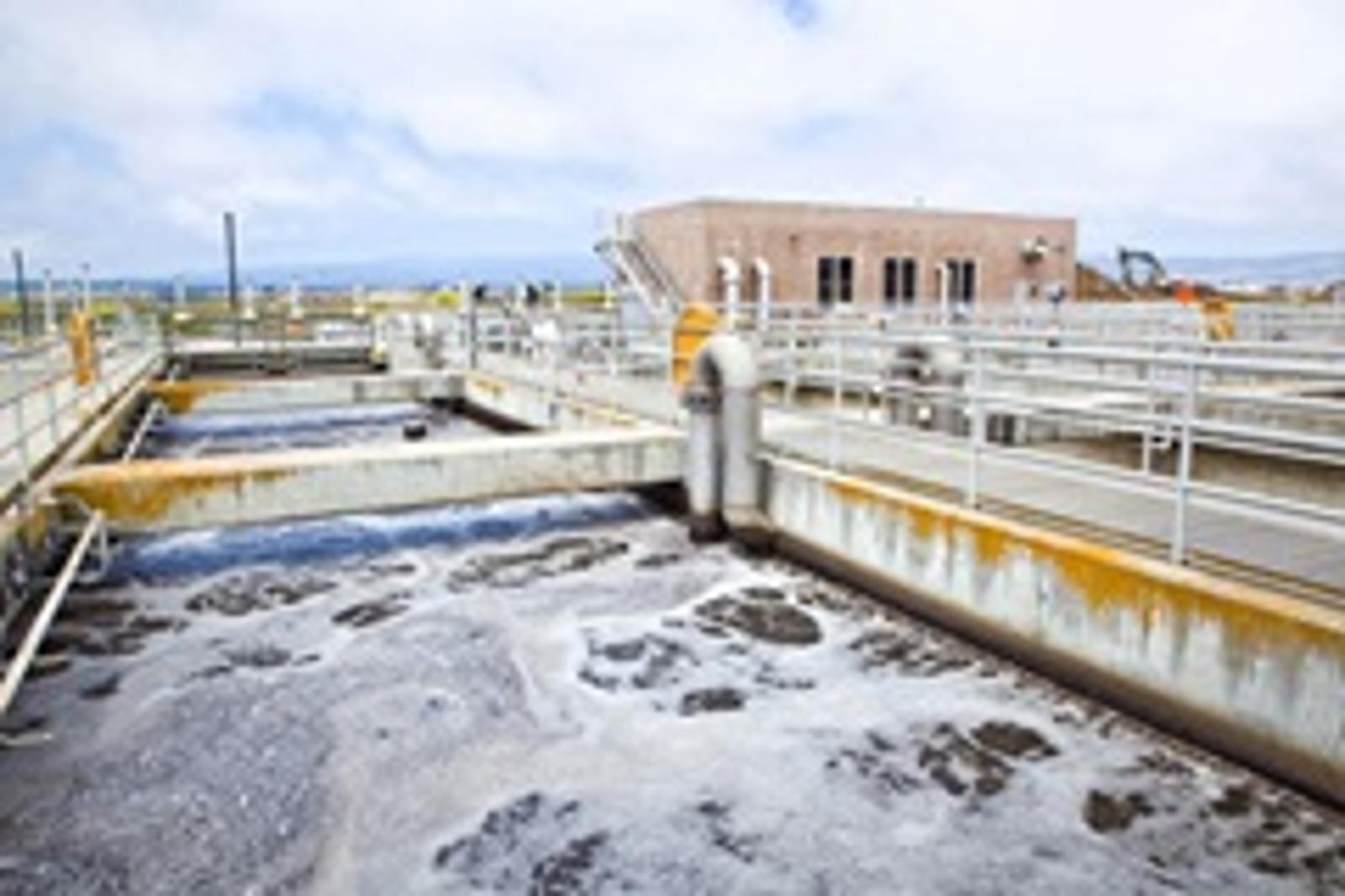
Aeration is an activated sludge process. It pumps air into a tank, promoting microbial growth in wastewater. Bacteria that forms the activated sludge, after settling in a separate settling tank, recirculates back to the aeration basin. Recirculating back to the aeration basin increases the decomposition rate.